Top Plastic Box Handles That Are Easy to Grip and Install
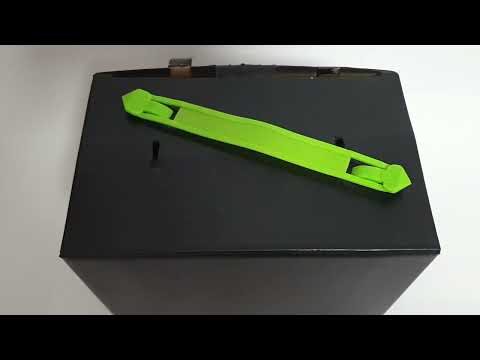
A plastic handle for a box is a durable, lightweight attachment that gives you a secure grip for carrying, turning a bulky container into a portable solution. It works by fastening directly to the box’s side or lid, distributing weight evenly so lifting feels effortless and balanced. This simple addition makes handling heavy items like storage bins or toolboxes far more convenient, turning any box into a truly carry-friendly tool.
Selecting the Right Carry Grip for Your Container
When selecting the right carry grip for your container, think first about weight and balance. A plastic handle for box needs to be ergonomically shaped to prevent digging into your palms during a heavy lift. For tall or awkwardly balanced boxes, a top-mounted grip often provides better control, while side-mounted options work best for sliding containers off shelves. Check that the handle’s mounting points are reinforced directly into the box’s sidewalls, not just its lid. Also, choose a textured or slightly rubberized plastic surface—this offers a secure hold even if your hands are damp or dusty, avoiding accidental slips during transit.
Key Factors When Choosing a Container Grip
Container grip selection hinges on load capacity and ergonomic fit. Evaluate the grip’s tensile strength relative to the box’s maximum fill weight to prevent snap failure. The handle’s contour must align with the user’s palm arc; a narrow or sharp profile causes fatigue during repeated carries. Surface texture matters—ribbed or rubberized coatings reduce slippage when hands are moist. Consider the attachment method: integrated clips offer permanence, while snap-on grips allow replacement. Angle of the handle relative to the container’s center of gravity directly affects stability; a misaligned grip tilts the load. Material durometer influences both comfort and durability—softer polymers dampen vibration but wear faster on rough edges.
| Factor | Critical Aspect | Trade-off |
|---|---|---|
| Load Capacity | Max weight rating | Higher rating increases bulk |
| Ergonomics | Palm curve match | Custom shapes limit universal fit |
| Surface Grip | Texture friction | Aggressive texture snags clothing |
| Attachment Type | Permanence vs. serviceability | Integrated is stronger, snap-on is replaceable |
Load Capacity and Durability Requirements

For a plastic box handle, the load capacity and durability are determined by the tensile strength of the polymer and the handle’s attachment geometry. Polypropylene handles typically support static loads of 20–30 kg, while nylon or glass-filled variants can exceed 50 kg, provided the anchoring points are reinforced with ribbing. Fatigue life depends on the material’s resistance to cyclic stress; a handle should pass at least 10,000 flex cycles at 75% of its rated load without cracking. UV stabilizers are essential for outdoor containers to prevent embrittlement. Always match handle for box the handle’s working load limit to the heaviest expected fill weight plus a 1.5x safety margin.
Load capacity and durability require matching handle tensile strength and fatigue resistance to the container’s maximum fill weight with a safety margin.
Compatibility with Different Box Materials
Selecting a plastic handle for box applications requires careful material compatibility assessment. For corrugated cardboard, choose a handle with a broad, flat mounting plate and staples that penetrate without tearing the flutes. Plastic totes demand handles with self-tapping screws or integrated clips that grip the wall thickness without cracking. Wooden crates accept heavy-duty handles with bolted fasteners; ensure the bolt length matches the wood thickness to prevent splitting. A handle designed for metal boxes must use rivets or magnetic bases, as adhesive will fail on textured or oily surfaces.
- Identify the box material (cardboard, plastic, wood, or metal).
- Select a handle with fasteners suited to that material’s density and grain.
- Test the assembly on a scrap piece to confirm no stress cracking or pull-through occurs.
Types of Carry Attachments for Cases
For cases and boxes, plastic handle carry attachments are typically divided into fixed and folding styles. Fixed handles are rigidly attached via molded-in inserts or through-bolts, offering maximum strength for heavy loads. Folding handles, often spring-loaded or recessed, lie flush when not in use, preventing snagging during transport. The attachment method—screws, rivets, or integrated snap-fits—determines load capacity; a bolted plastic handle for box suits industrial containers, while snap-in handles are common on consumer tool cases. Handle shape varies: ergonomic contoured grips reduce fatigue, while straight bar handles allow gloved access. Always match attachment type to case wall thickness and anticipated stress points to avoid pull-out failure.
Molded-In vs. Attached Openings
When selecting a plastic handle for box carry attachments, the primary distinction lies between molded-in and attached openings. Molded-in openings are cavities formed directly into the case wall during the molding process, creating an integral, seamless handle that adds no external parts. This design maximizes structural integrity and eliminates potential failure points from separate hardware. Attached openings, conversely, involve secondary assembly where a handle or strap is fastened via screws, rivets, or brackets through pre-formed slots or holes in the box. These attached systems allow for replacement and greater material selection, such as adding a padded handle, but introduce potential loosening or corrosion over time. The choice dictates whether the handle is a permanent, monolithic feature or a serviceable, modifiable component.
Fold-Down and Ergonomic Grab Bars
For boxes that get stored or shipped frequently, fold-down and ergonomic grab bars offer a practical upgrade. These attachments flip flat against the plastic handle when not needed, preventing snags during stacking, then pop out to provide a comfortable, secure grip for lifting heavier loads. The ergonomic curve distributes pressure across your palm, reducing hand fatigue compared to standard cutout handles. They’re especially useful for tool cases or equipment boxes where you’ll carry the unit for extended periods.
- Folds flush with the box surface to save space and avoid catching.
- Contoured grip reduces strain on fingers and wrists.
- Often made with rubberized padding for extra comfort.
- Locks into the open position for stable carrying.
Heavy-Duty Webbing and Strap Solutions
Heavy-duty webbing and strap solutions serve as a low-profile alternative to rigid plastic handles for boxes, distributing load stress across the case body via sewn anchor points. Unlike fixed grips, these high-tenacity nylon or polyester straps allow for variable carry modes—over-the-shoulder or by hand—while adding minimal weight. A break-strength rating above 2,000 pounds ensures reliability for mission-critical gear. Q: Are heavy-duty straps more durable than plastic handles? A: They excel in load distribution but require periodic seam inspection; plastic handles offer rigid, instant-grab security but lack flexibility for awkward box shapes.
Material Choices for Durable Container Grabs
The choice of material for a container grab dictates its lifespan when paired with a plastic handle for box. A user lifting heavy totes daily learns that a polypropylene handle resists cracking from impacts, while the grab’s jaw must be a glass-filled nylon composite to avoid wear. I’ve seen handles snap when the grab’s stainless steel hinge pin warps under repeated torque from oversized boxes, stressing the plastic. For durability, the grab’s contact points demand rubber overmolding to grip the box without scratching it. This pairing ensures the handle survives hundreds of lifts, not just a few.
Polypropylene and ABS: Lightweight Strength
For durable container grabs, polypropylene and ABS deliver lightweight strength crucial for daily box handling. Polypropylene excels in flexible resilience, resisting fatigue from repeated lid lifting and offering chemical resistance. ABS provides superior impact toughness for heavy loads and maintains rigidity under stress. To balance weight and durability:
- Select polypropylene for containers needing flex fatigue resistance and reduced weight.
- Choose ABS for high-impact durability and scratch resistance.
- Consider hybrid designs using ABS for grip points and polypropylene for hinge sections to optimize both properties.
Both materials prevent hand strain while ensuring reliable, long-term grab performance.
Thermoplastic Rubber for Non-Slip Comfort
For box handles, thermoplastic rubber non-slip comfort directly addresses the failure of rigid plastics under load. The material’s inherent friction coefficient grips your palm, preventing the handle from sliding even with sweaty or gloved hands. Its soft-touch durometer conforms to your grip, distributing pressure to eliminate hot spots during heavy carries. Unlike bare polypropylene, TPR maintains this tactile security across temperature extremes, ensuring the handle remains controllable from freezer to warehouse. This targeted cushioning transforms a simple grab into a reliable, fatigue-reducing interface, making it the definitive choice for user-focused box handles.
Recycled and Eco-Friendly Options
For container grabs, specifying post-consumer recycled (PCR) polypropylene for the handle reduces virgin plastic demand without sacrificing impact strength. Blends incorporating 30–50% recycled content maintain the necessary flexural modulus for repetitive box lifting. Bio-based polyethylene from sugarcane offers a renewable alternative, though its lower UV resistance limits use to indoor or short-term applications. Ensuring the recycled feedstock is from consistent industrial scrap avoids brittleness in the handle’s snap-fit assembly points.
Manufacturing Techniques for Package Grips
For a plastic handle for box, the most common manufacturing technique is injection molding, where molten plastic is forced into a steel mold to form the grip’s shape. This method allows for precise textures, like soft-touch rubberized coatings or ergonomic finger grooves, directly integrated into the handle. Alternatively, extrusion molding creates a continuous hollow profile that can be cut to length, often used for basic, low-cost handles. For added strength, some grips use overmolding, bonding a rigid inner core to a softer outer layer. These techniques ensure the handle snaps securely onto the box’s die-cut holes without tools.
Injection Molding for Precision Parts
Injection molding for precision parts achieves tight tolerances, typically within ±0.1 mm, essential for snap-fit box handle assemblies. High cavity pressure and controlled cooling rates ensure consistent shrinkage, preventing warpage in grip contours. Using hardened steel molds with polished surfaces reduces friction, allowing easy ejection of the plastic handle without deformation. Multi-cavity precision molds simultaneously produce identical grips, minimizing dimensional variation across batches.
Injection molding for precision parts delivers repeatable, tight-tolerance box handles through controlled cavity pressure and specialized mold steel.

Overmolding to Combine Hard and Soft Materials
Overmolding combines hard and soft materials for a box handle by first molding a rigid plastic core, typically polypropylene or ABS. A second injection cycle then bonds a thermoplastic elastomer over specific zones. To ensure adhesion, the hard substrate requires a chemical or mechanical bond site. The process follows a clear sequence:
- Mold the hard base material.
- Transfer the part to a second cavity.
- Inject the soft material over the grip area.
- Cool and eject the composite handle.
This method delivers a non-slip, tactile surface directly fused to the structural handle.
Custom Tooling for Unique Shapes
To achieve a package grip that perfectly contours to a box’s ergonomic needs, custom tooling for unique shapes becomes essential. Molds are precision-machined from hardened steel to create non-standard curves, finger recesses, or anti-slip textures that standard dies cannot replicate. This approach allows for undercuts and complex wall angles, ensuring the plastic handle integrates seamlessly with the box body. The tooling directly translates a three-dimensional CAD profile into a repeatable production tool, eliminating guesswork and delivering a consistent, proprietary shape on every cycle. No design nuance is lost.
Installation Methods for Box Carrying Handles
Plastic box handles are commonly installed using either a snap-fit or a bolt-on method. For snap-fit handles, the handle’s male prongs are aligned with pre-cut slots in the box wall and pressed firmly until they click into the retention ridges. Bolt-on installation requires drilling pilot holes, then securing the handle base with machine screws and washers from inside the box. Snap-fit handles demand precise slot dimensions to avoid a loose or broken fit. Bolt-on methods allow for future replacement without damaging the box structure. In high-vibration environments, applying a thread-locking compound to the screws can prevent gradual loosening over time. After installation, always test the handle by lifting the loaded box to confirm the attachment is secure.
Snap-Fit and Screw-Fastening Approaches
For rapid assembly of a snap-fit and screw-fastening plastic handle, snap-fit approaches rely on flexible plastic prongs that audibly click into pre-cut box slots, requiring zero tools but demanding precise mold alignment for secure retention. Screw-fastening uses self-tapping or machine screws driven through the handle’s mounting flanges into molded box bosses, offering superior pull-strength for heavy loads. The typical installation sequence is:
- Align the handle’s snap-fit clips with the box’s receiving slots and press firmly until audible engagement.
- Insert screws through the handle’s pre-formed holes into the box’s threaded or pilot bosses.
- Torque screws evenly to prevent plastic stress, avoiding over-tightening that can strip the thermoplastic threads.
Adhesive-Backed and Weld-On Solutions
For plastic box handles, adhesive-backed and weld-on installation methods serve distinct structural roles. Adhesive-backed solutions use high-bond acrylic or polyurethane tapes, suited for lightweight plastic boxes where drilling holes is undesirable; their success depends on surface preparation using isopropyl alcohol. Conversely, weld-on solutions integrate a handle tang directly into the box wall during molding—common for overmolded polypropylene—forming a permanent, load-bearing joint that eliminates adhesive failure risks. The table below contrasts practical aspects:
| Aspect | Adhesive-Backed | Weld-On |
|---|---|---|
| Bond Mechanism | Pressure-sensitive tape | Thermal fusion |
| Load Capacity | Limited by shear strength | Integral to box structure |
| Application Speed | Instant, no heat required | Requires mold tooling cycle |
Retrofit Kits for Existing Containers
Retrofit kits allow adding plastic handles to existing boxes without replacing the container. These kits typically include a handle bracket, screws, and a mounting template. Installation requires drilling two or four holes through the box wall, then securing the handle assembly from the inside with included fasteners. Some kits offer adhesive-backed base plates for non-drilling attachment on thinner plastic containers. The clip-in handle is then snapped into the bracket. Compatibility checks are essential: kit specifications must match the box material (corrugated plastic, polypropylene) and wall thickness (typically 2–8 mm) to ensure load-bearing capacity.
Design Features That Enhance Usability
A plastic handle for a box needs more than just a basic grip. Ergonomic contours are a key design feature that enhances usability, spreading pressure across the palm to prevent discomfort. The inclusion of a rubberized texture or soft-touch overmold ensures a non-slip hold, even with wet hands. A deep, integrated finger groove provides a secure, natural fit that reduces hand fatigue during carrying. Balanced weight distribution, achieved through a slightly curved design, prevents the box from tilting awkwardly when lifted. A recessed mounting system also keeps the handle flush with the box, avoiding snags on shelves or clothing. These practical choices transform a simple plastic piece into a comfortable, reliable tool for everyday use.
Contoured and Padded Finger Rests
Contoured and padded finger rests on a plastic handle for box turn a basic grip into something genuinely comfortable. These rests are shaped to match your fingers’ natural curves, eliminating pressure points during a heavy carry. The padding absorbs shock, reducing hand fatigue when moving boxes repeatedly. It’s the subtle curve under each finger that makes prolonged lifting feel almost effortless. Ergonomic finger support ensures the handle stays secure without you needing to clench your hand tightly.
- Prevents plastic edges from digging into your skin
- Provides a non-slip surface, even with sweaty hands
- Distributes weight evenly across all fingers, not just the palm
Reinforced Mounting Points for Heavy Loads
For boxes enduring heavy loads, reinforced mounting points are engineered to prevent handle tear-out under stress. These points typically integrate a wider base plate or internal gussets that distribute pulling forces across a larger surface area, reducing localized strain on the plastic. Strategically placed metal bushings at the bolt holes further resist deformation, ensuring the handle stays securely anchored even when carrying dense contents. Without these reinforcements, the mounting points would crack or strip, rendering the handle useless and risking box failure.
Integrated Locking Mechanisms for Security
Integrated locking mechanisms transform a plastic handle from a simple grip into a primary security node for the box. A keyed or combination lock built directly into the handle eliminates the need for separate hasps, streamlining access while reducing tamper points. This direct integration ensures the locking force is transmitted through the handle’s reinforced spine rather than fragile plastic sidewalls. The mechanism’s durability relies on a hardened metal cylinder overmolded within the handle’s body, resisting both impact and forced prying. For user convenience, a tool-less cam design allows quick engagement with the box’s strike plate, creating seamless access control without compromising the handle’s ergonomic contour for lifting.
Industry-Specific Applications for Case Grips
In medical logistics, a plastic handle for box is critical for the safe transport of sensitive diagnostic kits, where a fixed case grip prevents accidental drops during narrow-corridor maneuvering. For audio-visual rental houses, the same grip type allows quick stacking of flight cases loaded with heavy amplifiers, as the handle’s ergonomic contour reduces hand fatigue during load-ins. Field service technicians often rely on a recessed plastic handle on tool boxes to protect the grip from snagging on conduit, while the box itself stays balanced when carried.
A molded-in case grip turns a standard plastic box into a one-handed retrieval tool for warehouse picking, eliminating the need to cradle bulky containers.
Military-grade electronics use reinforced plastic handles that withstand repeated mating with vehicle mounting plates, ensuring the case doesn’t separate during transit.
Toolbox and Industrial Storage Handles
For toolbox and industrial storage handles, a heavy-duty plastic handle for box designs ensures you can lug around fully-loaded kits without the grip snapping. These handles often feature reinforced mounting points and a textured, contoured surface, preventing slippage when your hands are greasy or gloved. The plastic is usually impact-resistant, so clattering against warehouse racks or dropping the box won’t crack the handle. You’ll also find integrated padlock loops on some models, letting you secure sensitive tools directly through the handle. It’s all about a comfortable, reliable carry point that survives the daily grind of a workshop floor.
Medical and Pharmaceutical Transport Grips
In medical and pharmaceutical transport, plastic handles for boxes are engineered as sterile-compatible transport grips, often molded from high-impact polypropylene or ABS to withstand autoclaving or chemical sanitization. These grips feature non-porous, smooth surfaces to prevent bacterial accumulation and are typically integrated into tote lids or cryobox sides for secure handling of temperature-sensitive vials and biologics. Ergonomic designs include soft-touch overmolds to reduce hand fatigue during multi-runs of vaccine carriers, while tamper-evident clip slots allow sealed box integrity without compromising grip functionality.
Consumer Electronics and Retail Packaging
In consumer electronics and retail packaging, the ergonomic box handles for retail displays transform how high-value gadgets are transported and interacted with. A reinforced plastic handle on a monitor or gaming console box reduces strain during warehouse handling, while a sleek, integrated grip on small appliance packaging prevents accidental drops during shelf restocking. Custom-molded handles also allow retail staff to present unboxing experiences without damaging the branded carton. These grips ensure fragile electronics remain secure from distribution floor to checkout counter.
For consumer electronics and retail packaging, case grips turn heavy, cumbersome boxes into portable, display-ready units that protect products during handling and enhance the retail unboxing experience.
Cost Optimization for Custom Container Handles
For plastic handle for box applications, cost optimization for custom container handles primarily hinges on material selection and tooling design. Using polypropylene instead of ABS can reduce raw material costs by up to 30% while maintaining adequate strength for standard loads. A single-cavity mold with interchangeable inserts allows for handle customization without the expense of a dedicated mold per design, lowering per-unit costs for smaller production runs. Reducing handle wall thickness by even 1mm minimizes resin usage and cycle time, directly cutting per-piece expenses. Additionally, designing the handle as a snap-fit component eliminates the need for separate fasteners or welding, streamlining assembly and reducing overall production cost.
Balancing Material Quality with Production Volume

For custom container handles, the pivot point is optimal material grade selection. High-volume runs allow you to spec premium, glass-filled polypropylene for durability at a lower per-unit cost, absorbing tooling amortization. Conversely, low-volume prototypes or niche orders benefit from standard polyethylene; it’s cheaper per pound and requires less cooling time, minimizing mold cycle waste. A table clarifies the balance:
| Volume Tier | Material Strategy | Production Gain |
| High (50k+) | Premium copolymer | Speed via hot runner molds |
| Medium (5k–50k) | Recycled polypropylene | Reduced scrap rates |
| Low (under 5k) | Standard HDPE | Lower tool change downtime |
Pushing volume lowers per-unit resin cost, but never spec a grade below the handle’s stress load—a brittle, low-volume mix will crack, ruining your margin. Match melt flow index (MFI) to your press’s shot capacity to avoid color contamination during quick changeovers.
Mold Design Strategies to Reduce Waste
Optimizing mold design for plastic box handles directly minimizes material waste. Strategies for waste reduction in mold design include using a hot runner system, which eliminates cold runner scrap by delivering molten plastic directly to the cavity. Precision gate placement ensures balanced fill, preventing short shots and the associated material loss. Additionally, designing handles with uniform wall thickness reduces sink marks and the need for rework. Implementing a family mold can produce multiple handle sizes in one cycle, maximizing material utilization per shot.
- Integrate hot runner systems to eliminate runner waste.
- Use conformal cooling channels for faster cycle times to reduce scrap from warpage.
- Design for multi-cavity or family molds to maximize material yield.
Sourcing from Specialized Suppliers
Sourcing from specialized suppliers for your plastic handle for box directly unlocks cost optimization through their dedicated tooling and material expertise. These suppliers consolidate raw material orders, passing bulk discounts to you. Their focused production lines minimize waste and cycle times, lowering unit costs compared to general manufacturers. Specialists also recommend high-performance polypropylene blends that mold faster, reducing per-part energy use. By partnering exclusively with a niche supplier for your custom handles, you bypass retooling fees and leverage their proven, efficient processes for immediate savings on high-volume runs.
Testing and Safety Standards for Transport Grips
Testing and safety standards for transport grips on a plastic handle for box prioritize static load and cyclic fatigue resistance. The handle must withstand a sustained pull test of at least 150 pounds for one minute without cracking or deforming at the attachment points. A drop test from a standardized height (e.g., 36 inches) onto a concrete floor ensures the grip does not shatter upon impact, while a vibration test simulates truck transport to verify no loosening occurs. Pull-off force testing verifies the handle’s weld or snap-fit integrity, and a temperature cycling test (-20°C to 60°C) ensures the plastic retains grip strength under thermal stress. These benchmarks confirm user safety during lifting and carrying.
Weight Limit and Fatigue Testing Protocols
To ensure a plastic handle for a box withstands load, weight limit and fatigue testing protocols simulate real-world stress. First, a static load applies the stated weight capacity for 60 seconds, checking for cracks or deformation. Next, dynamic fatigue testing cyclically loads the handle ten thousand times to mimic repeated lifting. An incremental overload test then pushes the handle to failure, revealing its true safety margin. Finally, the protocol
- secures the handle to a fixed box
- applies variable weight pulses at one-second intervals
- monitors for micro-fractures after each cycle
This sequence validates long-term durability before user drops occur.
Impact and Vibration Resistance Checks
Impact and vibration resistance checks simulate real-world drops and transport jolts to validate the plastic handle for box. A weighted box is dropped from multiple orientations onto concrete, with the handle inspected for cracks or detachment. Vibration testing on a shaker table exposes the handle to frequencies mimicking truck or conveyor travel. Repeat cyclic stress testing evaluates handle fatigue over thousands of load cycles. The sequence follows:
- Pre-condition the handle at specified temperature and humidity.
- Execute drop tests from defined heights (e.g., 1.5 meters) onto edges and corners.
- Run sinusoidal vibration from 5–200 Hz for four hours per axis.
- Post-test inspection for any deformation, fracture, or loosening of the grip’s connection points.
Compliance with International Packaging Regulations
Compliance with international packaging regulations ensures your plastic handle for box meets global standards, avoiding costly shipping delays or rejections. Tested grip safety data must align with UN and ISO directives, verifying load limits and chemical resistance. Any handle failing these benchmarks risks immediate customs holds. What happens if my handle fails compliance? Non-compliant handles face seizure at borders, forcing redesigns and lost market access. Only rigorous pre-shipment testing against specific regional mandates guarantees seamless distribution, protecting your product’s reputation from first touchpoint to final delivery.
Maintenance and Replacement of Crate Handles
Regularly inspect the plastic handle for box for signs of stress cracking, warping, or material fatigue, especially around the mounting points. Cracks near the rivets or molded connections indicate imminent failure and demand immediate replacement. For maintenance, clean the handle with mild soap and water to remove debris that accelerates wear; avoid harsh solvents that can degrade the polymer. When replacing a broken handle, ensure the new crate handle has identical insertion dimensions and load capacity ratings to the original; mismatched parts can snap under strain. Use stainless steel fasteners during replacement to prevent corrosion-induced loosening. A secure, properly rated handle prevents cargo spills and personal injury during transport.
Signs of Wear and Failure to Watch For
Visually inspect the plastic handle for box for surface cracking or stress whitening, particularly at the attachment points where the handle meets the crate. A slight deformation or a permanent bend indicates plastic fatigue from overloading. Any audible creaking during lifting signals structural weakening. If the handle feels loose or wobbles, the embedded anchor points may have fractured internally. Regular checks for these failure signs—especially in cold environments where plastic becomes brittle—prevent sudden breakage. Q: What is the earliest visual sign of handle failure? A: Surface cracking near the mounting holes.
Simple Cleaning and Lubrication Tips
For plastic crate handles, routine care begins with wiping down the grip and hinge area using a damp, lint-free cloth to remove dirt and debris that cause abrasive wear. For stubborn grime on the plastic handle for box, use mild soapy water; avoid harsh solvents that degrade the polymer. After cleaning, lubricating the pivot points is critical. Apply a single drop of silicone-based lubricant to the hinge pin, then flex the handle several times to distribute it. Avoid oil-based products, as they attract dust and gum up the mechanism. For optimal performance, repeat this lubrication step every three months or after the handle is exposed to heavy moisture.
Where to Find Compatible Replacement Parts
For worn crate handles, start your search with the original manufacturer, as they stock exact-mold replacements ensuring a perfect fit. General hardware retailers often carry universal plastic handle kits, but verify the bolt spacing and load rating against your crate’s original specs. Specialty container supply stores and online parts databases are ideal for locating precise replacement handles for vintage or industrial models. Always measure the handle’s center-to-center hole distance before ordering to avoid returns.
Find compatible plastic handles by first checking the crate’s original manufacturer, then comparing universal kits and specialty suppliers against your crate’s specific bolt spacing and load requirements.
What Makes a Plastic Handle Suitable for Different Box Styles
Understanding the Common Attachment Mechanisms: Snap-In vs. Screw-On
How Handle Length and Grip Diameter Affect Carrying Comfort
Key Features That Determine Handle Durability and Performance
Material Grades: Polypropylene vs. Nylon vs. ABS for Heavy Loads
The Role of Reinforced Ribbing and Thickness in preventing Breakage
How to Select the Right Handle for Your Box Size and Weight
